
Matatu operators have suspended their ongoing strike for one week to pave the way for high-level talks between the government and transport sector stakeholders over rising fuel prices and related concerns.
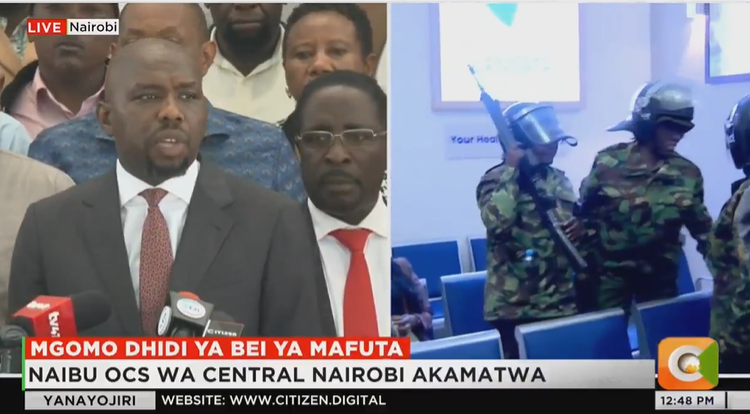
Interior Cabinet Secretary Kipchumba Murkomen said the decision was reached after both sides agreed on the need for urgent negotiations to address the grievances raised by operators.
“There was need for negotiations with the stakeholders at a high level and they will take place within the next one week,” Murkomen said.
He noted that suspending the strike would create room for consultations while minimising further disruption to transport services and economic activities.
“The strike to be suspended for one week to provide an avenue for consultations,” he added.
The move comes after days of transport disruptions sparked by protests and industrial action over soaring fuel prices, leaving many commuters stranded while others were forced to walk long distances.
Federation of Public Transport Sector CEO Kushian Muchiri welcomed the development, saying meaningful negotiations had finally begun, although he maintained the disruption could have been avoided through earlier engagement.
“As much as we would have been happy, we are also glad that at least negotiations have started in earnest,” Muchiri said.
“Had we been taken seriously on Friday we would not be here. On behalf of the transport sector, mine is to urge all our members to resume operations immediately so that we can assist our customers,” he added.
Muchiri expressed optimism that the talks would deliver tangible solutions within the agreed timeline.
“We want to assure our members that within the next seven days we shall have done the best of negotiations,” he said.
Earlier, Deputy President Kithure Kindiki defended the government’s decision to retain part of the fuel levy, arguing that the funds remain crucial for infrastructure development and sustaining the economy even as authorities seek ways to ease the burden of high fuel costs.
“The remaining portion of tax is essential for the construction of our road infrastructure and the maintenance of the roads to support the economy,” Kindiki said.
He added that the government must strike a balance between cushioning Kenyans from high fuel prices and maintaining funding for critical sectors such as education and social services.
“The right balances must be maintained to ensure that as we sort out the fuel price issue, we do not disrupt the funding for other equally important sectors like education and social services,” he said.
Kindiki spoke as the government announced a Sh10 reduction in the price of diesel per litre, describing it as part of ongoing measures to cushion Kenyans against the impact of rising global fuel prices.