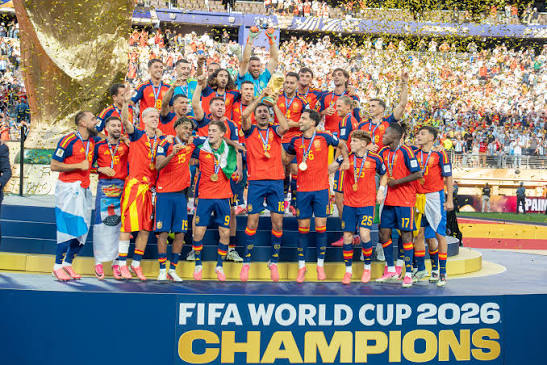

The final whistle may have blown on the 2026 FIFA World Cup, but for millions of Kenyans, the tournament’s impact stretched far beyond the action on the pitch.
New Google Search data paints a fascinating picture of how Kenyan fans experienced football’s biggest spectacle—not just by tracking scores and celebrating goals, but by diving deep into the culture, technology, traditions and personalities that shaped the month-long tournament.
From heated GOAT debates and packed watch parties to curiosity about the science behind the official match ball, the search trends reveal that Kenya’s love affair with football is becoming more immersive than ever.
The global tournament also made history online after Argentina’s dramatic winning goal against Egypt set a new all-time Google Search record for queries per second worldwide, underlining the event’s unprecedented digital reach.
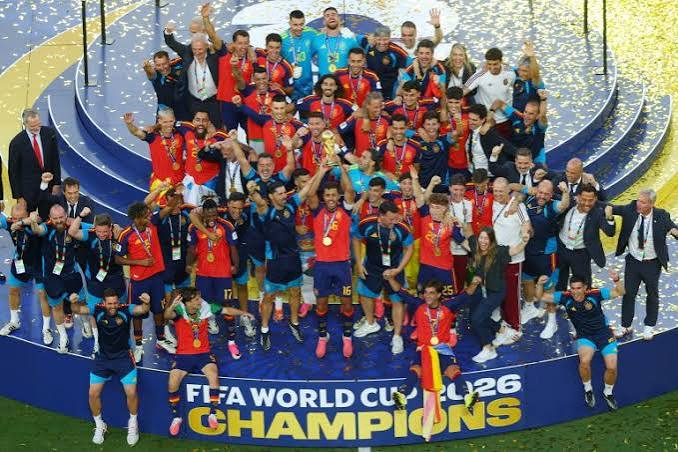
Kenya’s Most Followed World Cup Matches
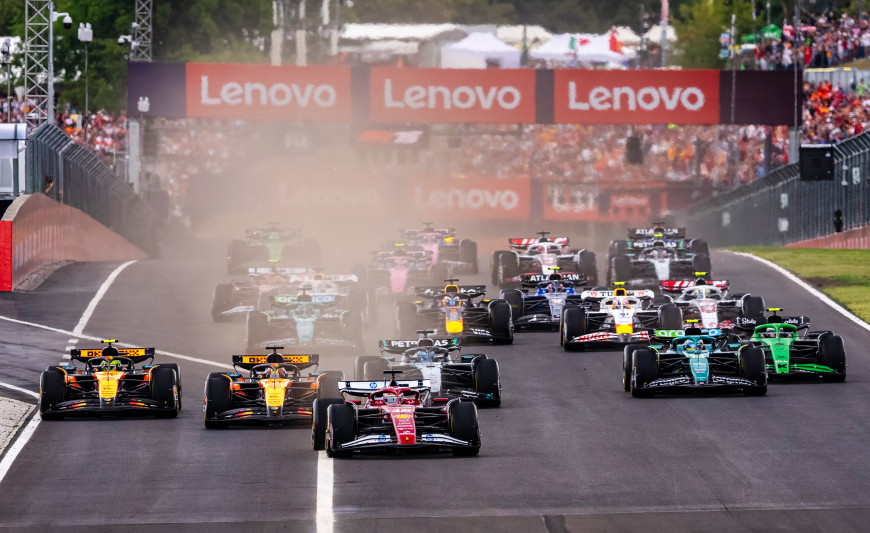
Between June 11 and July 13, Kenyan football fans closely followed some of the tournament’s biggest encounters.
According to Google Search data, these were the most searched matches in the country:
- France vs Morocco
- Brazil vs Norway
- Brazil vs Japan
- Norway vs England
- Portugal vs Spain
The list reflects the excitement generated by heavyweight football nations, surprise packages and high-stakes knockout clashes that kept fans glued to their screens throughout the competition.
Watch Parties Became Part of the Experience
One of the clearest trends to emerge was the growing popularity of communal football viewing.
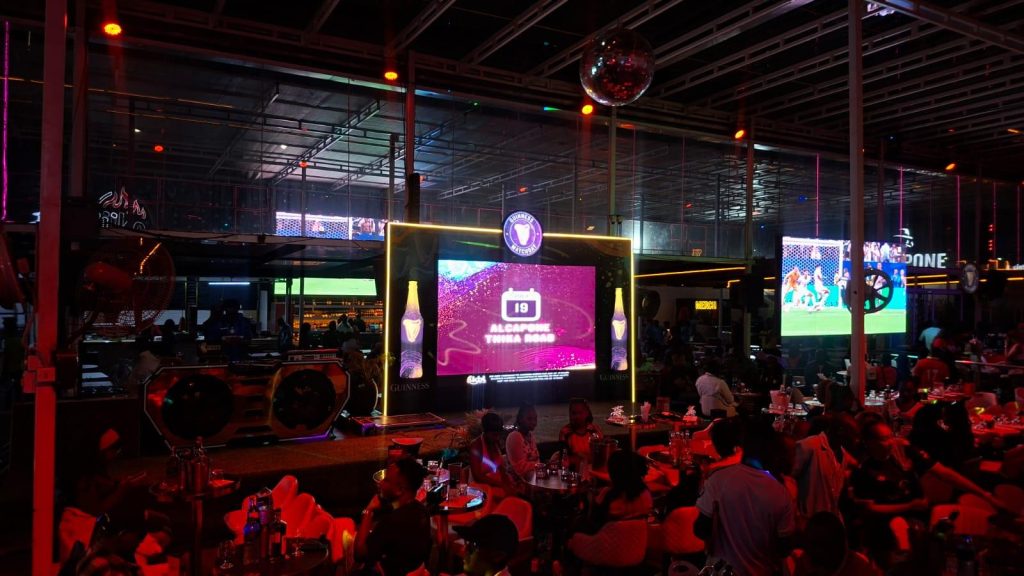
Searches for public World Cup viewing venues surged by an impressive 700% during the final two weeks of the tournament as thousands of fans sought out restaurants, sports bars, fan parks and entertainment venues screening the matches.
Interest intensified even further as the tournament reached its climax.
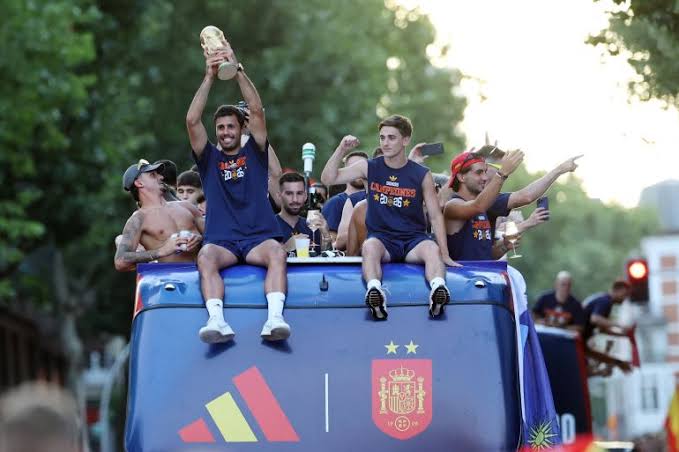
Searches specifically for “World Cup finale watch parties” jumped by 160% from July 10, highlighting how football has evolved into a shared social experience where fans gather to celebrate, cheer and debate every major moment together.
Football’s Greatest Debate Refused to Die
No World Cup is complete without discussions about football’s greatest player—and Kenya proved no different.
Searches for “Who is the GOAT of football?” increased by 200% during the tournament, showing that the debate between football’s biggest icons remains as lively as ever.
Interestingly, Lionel Messi edged Cristiano Ronaldo in Kenyan search interest by only 10%, suggesting there is still little separating the two superstars in the eyes of local fans despite Messi’s recent international success.
The tournament also generated strong interest in football’s current generation of stars.
Among the most searched global footballers were Kylian Mbappé, Lamine Yamal, Rodri and Ferran Torres, reflecting growing curiosity about the players shaping the future of the sport.
African Stars Also Captured Kenya’s Attention
The World Cup also shone a spotlight on African football talent.
The five most searched African players in Kenya during the tournament were:
- Mohamed Salah (Egypt)
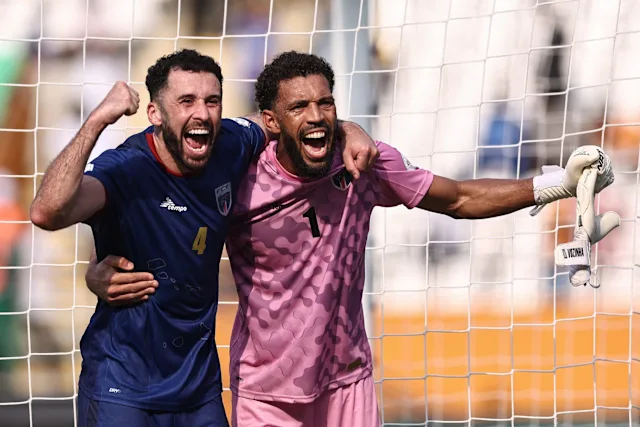
- Vozinha (Cape Verde)
- Jayden Adams (South Africa)
- Achraf Hakimi (Morocco)
- Ismael Saibari (Morocco)
Their performances—and in some cases inspiring stories—helped drive conversations among Kenyan supporters eager to follow Africa’s representatives on football’s biggest stage.
Curiosity Extended Beyond the Pitch
Perhaps one of the most surprising insights from Google’s data was that football fans wanted to understand not only what was happening on the field but also the technology behind the game.
During the opening week of the tournament, searches related to the official FIFA World Cup match ball increased by 290%, while overall interest in the ball was 10% higher than during the 2022 World Cup.
Rather than simply looking up its appearance, Kenyans searched for technical questions including:
- Which type of air is inside the FIFA World Cup ball?
- How is the World Cup ball made?
- What is the best World Cup ball?
- Is the World Cup ball rechargeable?
- How is the World Cup ball charged?
- How much does the official World Cup ball cost?
The trend reflects a growing curiosity about the innovation and engineering that power modern football.
Football Traditions Sparked Interest
It wasn’t just players and matches attracting attention.
Google also recorded a 130% increase in searches for “La Ola”—the iconic Mexican wave—compared to the 2022 FIFA World Cup.
The spike suggests many fans wanted to learn more about one of football’s most recognisable stadium traditions as celebrations echoed across venues worldwide.
More Than Just Scores
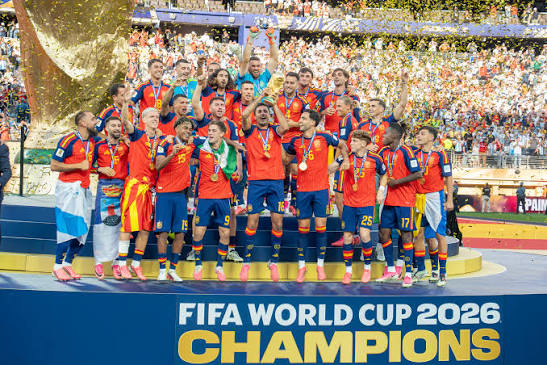
While football remains the central attraction, Google’s latest search insights suggest Kenyan fans increasingly want a richer understanding of the sport.
Whether searching for the best places to watch matches, debating football’s greatest player, discovering African stars or learning how the World Cup ball works, supporters embraced every aspect of the tournament.
The findings also highlight how Google Search has become an essential companion during major sporting events, helping fans satisfy their curiosity in real time while deepening their connection to the world’s biggest game.
For Kenya, the 2026 FIFA World Cup was never just about who lifted the trophy. It was about the conversations sparked, the communities formed around watch parties, the cultural moments shared across continents and the endless questions that make football much more than a 90-minute game.